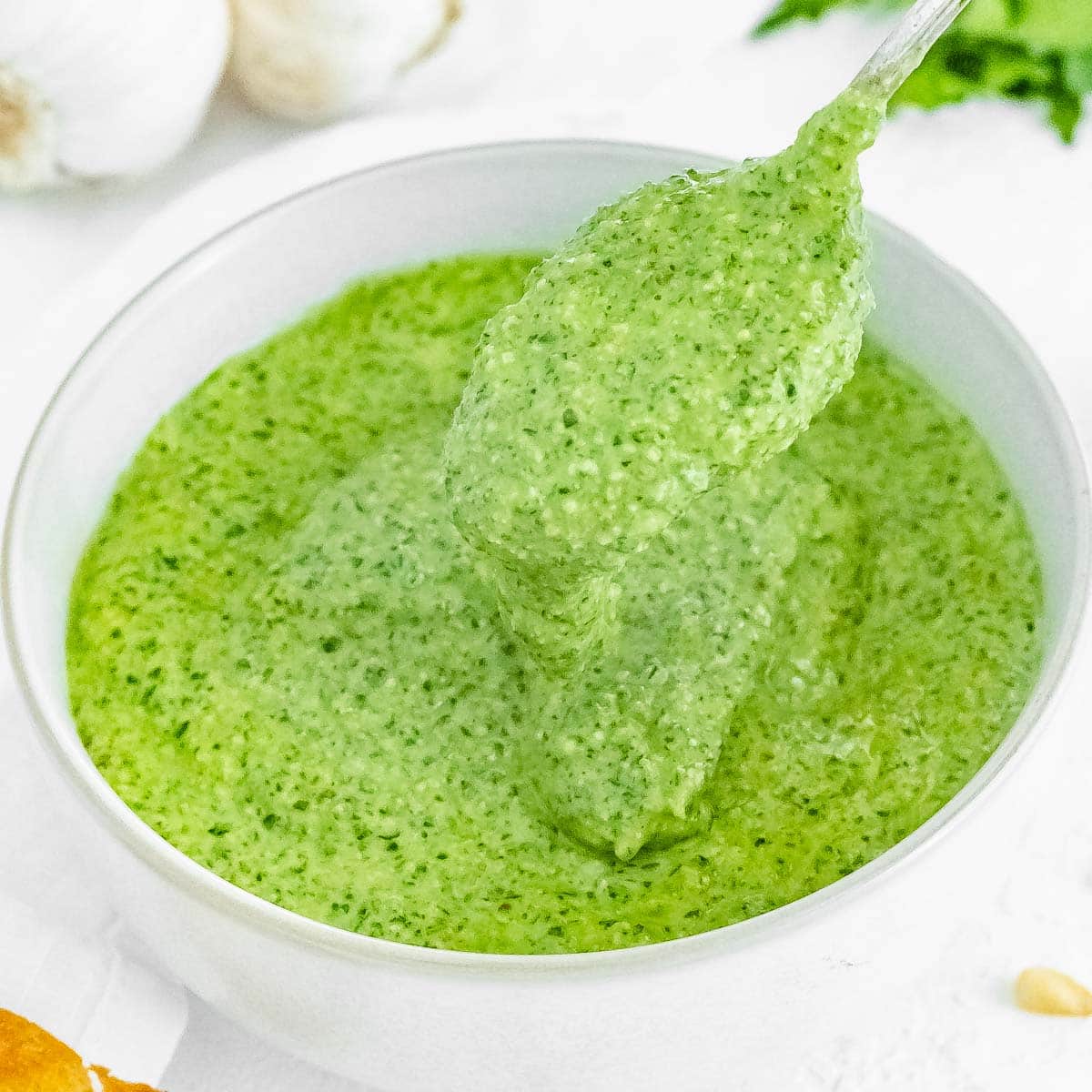
Unlock Parsley Pesto: Beyond Basil, Creative Uses & Bold Variations
For generations, basil pesto has held a cherished spot in kitchens worldwide, synonymous with fresh, vibrant flavors and the essence of Italian cuisine. Yet, a humble hero waits in the wings, ready to challenge this reign with its own unique charm and versatility: parsley pesto. If you've ever found yourself with an abundance of parsley teetering on the edge of spoilage, or simply seeking a fresh, budget-friendly twist on a classic, then preparing to unlock the potential of parsley is your next culinary adventure. This bright, herbaceous alternative offers a compelling argument for becoming your new go-to, promising a world of creative uses and bold flavor variations that extend far beyond your wildest pesto dreams.Why Parsley Pesto Deserves a Spot in Your Kitchen
The question isn't why switch from basil, but rather, why wouldn't you embrace parsley? The reasons are as compelling as they are practical, making parsley pesto a must-try for both seasoned chefs and home cooks alike.- Budget-Friendly & Always Available: One of the most significant advantages of parsley is its accessibility. Unlike basil, which can be seasonal and pricier, parsley is typically much cheaper and readily available year-round in most grocery stores. This makes it an incredibly economical choice for creating a vibrant, homemade sauce whenever the craving strikes. For more on this, check out our guide on Parsley Pesto: The Budget-Friendly, Flavorful Basil Alternative.
- Nutritional Powerhouse: Beyond its economic appeal, parsley is a nutritional champion. It's packed with an impressive array of vitamins, including A, C, and K, contributing to everything from immune health to bone strength. It also boasts antioxidants and other beneficial compounds, adding a healthy boost to your meals.
- Distinct & Versatile Flavor Profile: While basil offers a sweet, anise-like aroma, parsley brings a clean, grassy, and slightly peppery flavor to the table. This bright, herbaceous quality is wonderfully versatile, pairing beautifully with both light, delicate dishes and heartier, more robust fare. It’s often described as a more subtle flavor profile than basil, which allows it to enhance other ingredients without overpowering them.
- Resilient & Easy to Grow: For those with a green thumb, parsley proves to be a more forgiving herb to cultivate at home. It tends to be more resilient and easier to maintain than the often temperamental basil, ensuring a steady supply for your pesto endeavors.
- Reduces Food Waste: Let's face it, we've all been there – a wilting bunch of parsley in the fridge. Transforming it into pesto is an excellent way to prevent food waste, giving those neglected stems and leaves a delicious new lease on life.
Crafting Your Perfect Parsley Pesto: Tips & Techniques
Making parsley pesto follows a similar blueprint to its basil counterpart, but with a few key differences that capitalize on parsley's robust nature. The core ingredients remain familiar: fresh parsley, quality olive oil, finely grated cheese (Parmesan is classic, but Pecorino Romano adds a sharper tang), aromatic garlic, and a handful of nuts.Here are some essential tips for achieving the best results:
- Embrace the Stems: This is a game-changer! Unlike woody basil stems, parsley stems are full of flavor and perfectly edible. Incorporating them into your pesto adds depth and reduces waste. Just be sure to give them a thorough wash, as they can sometimes trap dirt and grit. For very thick stems, you might trim off the bottom inch or so, but otherwise, they're good to go.
- Choosing Your Parsley: Both flat-leaf (Italian) and curly parsley can be used, but flat-leaf is generally preferred. Its more robust flavor and broader leaves make for easier processing and a smoother pesto. Curly parsley works, but might require a bit more oil to achieve the desired consistency and can be slightly more challenging to clean thoroughly.
- Processing with Confidence: Parsley is more robust than delicate basil leaves, which bruise easily and can oxidize quickly. This means you can be a bit more "aggressive" with your food processor, allowing for a slightly longer pulse without worrying about bitterness or discoloration. However, always aim for short pulses to control the texture; you want an even, slightly chunky consistency, not a purée.
- Balance is Key: To counter any perceived "grassiness" from the parsley, ensure you use enough garlic and cheese. These ingredients provide essential depth and umami. Some enthusiasts even like to add a small handful of basil or mint alongside the parsley for a more complex aroma while still allowing the parsley to shine.
- Nut-Free Options: If allergies or preferences dictate, you can absolutely make parsley pesto nut-free. Substitute traditional pine nuts with sunflower seeds or pumpkin seeds for a similar texture and richness. Alternatively, skip the nuts entirely and simply add a little extra cheese for richness and body.
- Storage Savvy: Properly stored, homemade parsley pesto can last up to a week in the refrigerator. Transfer it to an airtight container and pour a thin layer of olive oil over the top to create a seal, preventing oxidation and keeping it fresh. For longer storage, freeze portions in ice cube trays. Once solid, transfer the cubes to a freezer-safe bag, where they'll keep for up to three months, ready to be thawed for a quick burst of flavor.
For even more detailed guidance on achieving the perfect consistency and flavor, explore our article: Homemade Parsley Pesto: Essential Tips for Perfect Flavor & Texture.
Unleash Culinary Creativity: Beyond Basic Pesto
Once you’ve mastered the art of making parsley pesto, its potential in the kitchen is virtually limitless. It's truly a versatile condiment that elevates a wide array of dishes beyond just pasta.- Pasta Perfection: The most classic use! Toss your freshly made pesto with spaghetti, linguine, or penne. Thin it out with a little pasta water for a silky-smooth sauce that clings beautifully to the noodles. Shower generously with extra Parmesan for a truly comforting meal.
- Sandwich & Pizza Sensation: Spread parsley pesto onto your favorite sandwiches or wraps for an instant flavor upgrade. It's also a fantastic base for pizza, adding a fresh, herbaceous note that complements a variety of toppings. Try it in place of marinara for a white pizza with roasted vegetables.
- Elevate Eggs: Swirl a spoonful into scrambled eggs, an omelet, or a frittata for a bright, savory kick. It instantly transforms a simple breakfast or brunch into something special.
- Roasted Vegetable Revelation: Drizzle parsley pesto over roasted potatoes, carrots, broccoli, or asparagus. Toss it with warm vegetables directly after roasting for a coating of vibrant flavor that enhances their natural sweetness.
- Grill Master's Secret Weapon: Use it as a marinade for grilled chicken, fish, or shrimp, or simply dollop it on top of cooked meats and seafood as a vibrant finishing sauce. Its fresh notes cut through the richness of grilled fare beautifully.
- Soups & Stews: Stir a spoonful of parsley pesto into a bowl of minestrone, lentil soup, or any hearty stew just before serving. It adds a burst of freshness and depth that enlivens the entire dish.
- Dips & Spreads: Mix parsley pesto with Greek yogurt, sour cream, cream cheese, or hummus for an instant dip or spread. Serve with crudités, crackers, or crusty bread for an easy appetizer.
- Salad Dressing Alternative: Whisk parsley pesto with a little extra olive oil, lemon juice, and a touch of vinegar for a quick and flavorful salad dressing that adds character to any green salad.
Bold Variations to Elevate Your Parsley Pesto
One of the most exciting aspects of parsley pesto is its adaptability to creative variations. Experimenting with different additions allows you to tailor the flavor profile to perfectly match your culinary whims.Lemon Parsley Pesto
Add the zest and juice of one lemon to your basic recipe for an incredibly bright, citrusy kick. The lemon enhances the parsley's fresh notes and cuts through the richness of the oil and cheese, making it particularly wonderful with seafood (think grilled salmon or baked cod) or light pasta dishes.
Mediterranean Style Parsley Pesto
For a taste of the Mediterranean, incorporate some fresh oregano and a handful of mint leaves along with the parsley. Swap the pine nuts for toasted walnuts, which offer a deeper, earthier flavor. This variation pairs beautifully with roasted lamb, grain bowls, or as a spread for pita bread.
Spicy Kick Parsley Pesto
If you like a little heat, add a fresh jalapeño (seeded and roughly chopped, or with seeds for extra fire) or a generous pinch of red pepper flakes to your food processor. The spiciness provides an exciting contrast to the herbaceous parsley, making it an excellent topping for tacos, chili, or spicy pasta dishes.
Winter Warmer Parsley Pesto
For a richer, more concentrated flavor, especially appealing during colder months, try incorporating roasted garlic instead of raw. The roasting process sweetens and mellows the garlic's pungency. Additionally, add a handful of sun-dried tomatoes (oil-packed, drained) to the mix for a deep, umami-rich, and slightly sweet dimension. This variation is fantastic with hearty roasted vegetables, robust pasta sauces, or as a spread on crusty bread.
Beyond these, don't be afraid to experiment with other herbs like cilantro or dill, different nuts such as pecans or cashews, or even a dash of smoked paprika for an unexpected twist. The beauty of parsley pesto lies in its flexibility.
